BLOGCAST: This post was recorded by Hanne Linde. You can listen to the blog here (3:56):
The two people sitting here on stage have both had death close to their lives. One is Frank Ostaseski. He is one of the founders of a Zenhospice project in San Francisco, where presence and mindfulness are part of the treatment plan. He is a Buddhist teacher and has written a book about what death can teach us about living fully. His conversation partner is the doctor Lucy Kalanithi, who shortly before the interview lost her spouse and father of their child. Paul Kalanithi died of lung cancer at the age of 36, and during his illness he wrote a book about the process. Together, Frank Ostaseski and Lucy Kalanithi reflect on whether it is possible to find meaning in death, and if so, how to do so?
They both experience that death is more than a medical or spiritual event. For Frank Ostaseski, death is too big and too pervasive to be categorized. It is more about our relationship to other people, to ourselves, and to what we believe in. His experience from having sat with many dying people is that when you are nearing the end of life, most of it can be boiled down to very few questions. ”Am I loved?” and ”Have I loved?” Why wait to answer those questions, he says. Why wait until we are perhaps in pain, confused, or at the end of life? Frank Ostaseski has experience that if you are able to turn towards death while you are alive, it can become an important guide. It can show a direction in relation to how you can live your life in accordance with your deepest values.
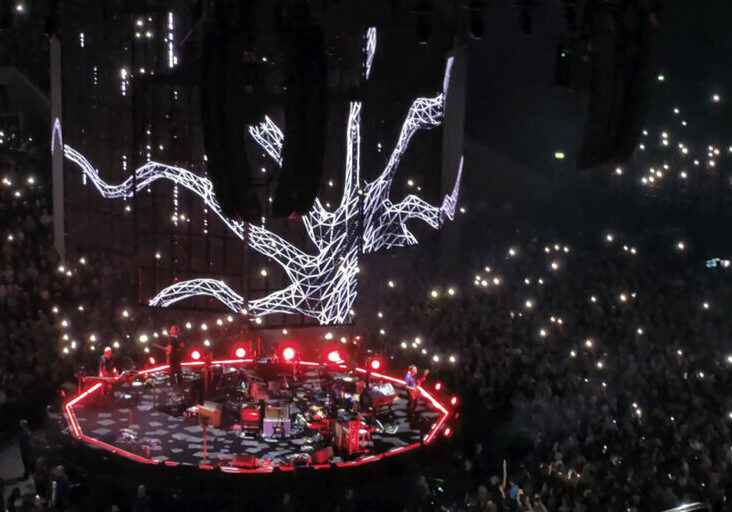
The conversation takes place at the conference End Well 2018. It is a gathering point for a larger group of people who work with design, technology, health, politics and activism. The purpose is to change how we think and act in relation to death, and to help all people have the opportunity to end their lives in accordance with their own values and wishes. As Frank Ostaseski puts it: We have protocols for everything. Fix-it models. We help people physically, medically, technically. Maybe we can be more than problem solvers? Maybe we can be portals that can offer the dying person the stability of our mind in the final moments? Be with the person and help them to process. Ask the questions: What is important now? What do you need now? We can open our hearts and minds and inspire people in the final stages of life to also open their.
In the post What death can teach us about life Let's take a closer look at Frank Ostaseski's book. The Five Invitations – Discovering What Death Can Teach Us About Living Fully’.
 Hanne Linde
is a visual artist. She has a background in natural sciences and is also a trained mindfulness teacher. She has extensive experience teaching both children and adults and is employed by Gentofte Municipality as an educational consultant in creativity, relationship skills and mindfulness training.
Read more about Hanne here: hannelinde.dk