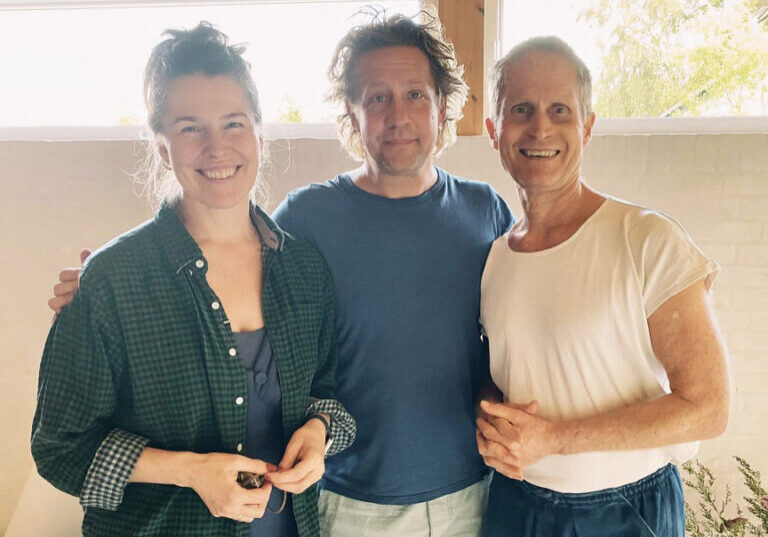


My mantra at the moment is: to practice.
To try, to investigate, to be curious, friendly and open. Both in relation to what I experience and to what I express.
I enjoy this journey of discovery where I constantly reach new places. I am delighted and amazed by how the sensations are nuanced and expanded in relation to my body, my feelings and perceptions, and how this affects my relationships and my opportunities to act in the world I live in.
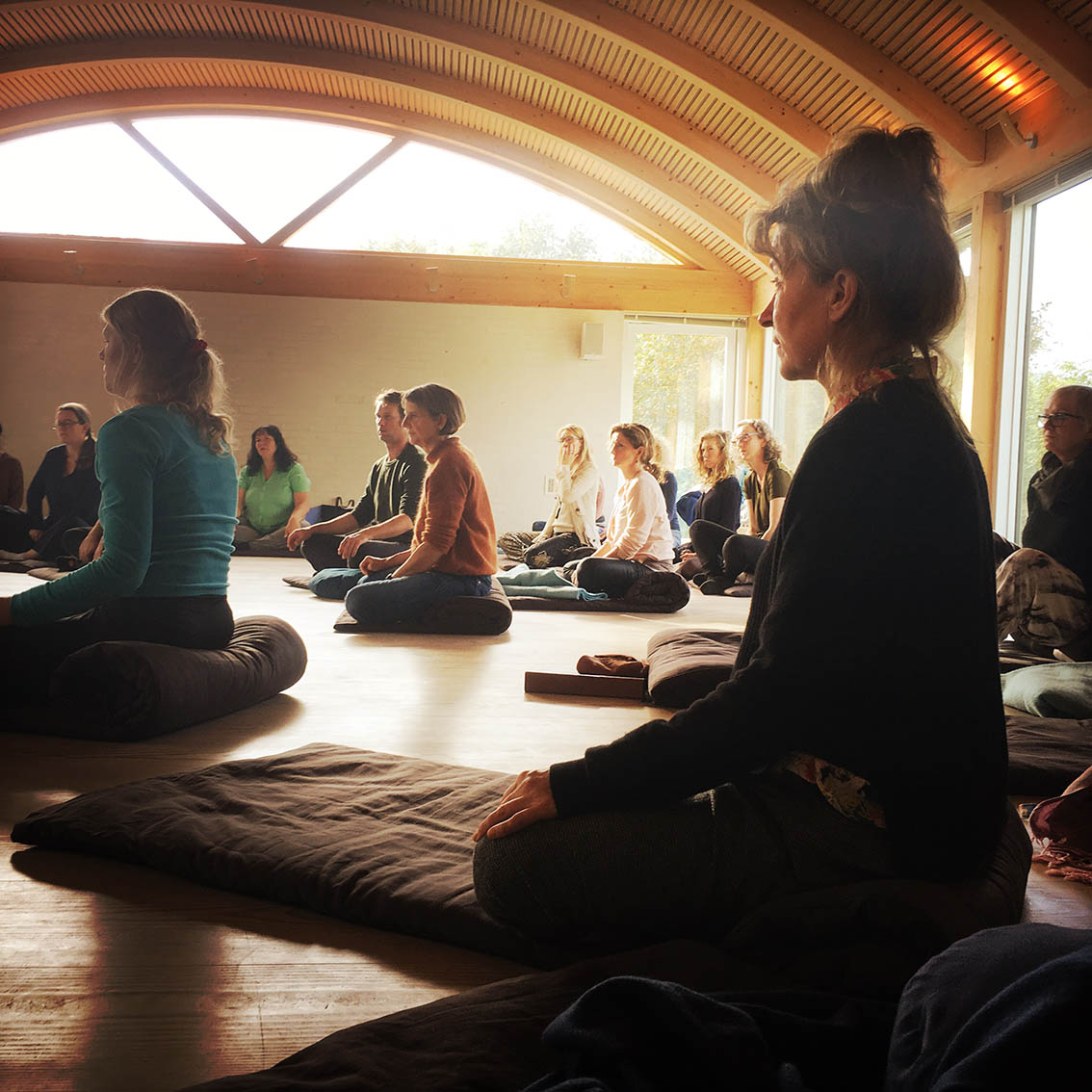
I am lucky enough to be an assistant at the Training in Relationship Competence, Presence and Empathy, which is aimed at people who work with children and young people. We train presence through meditation, yoga, play and dance. We practice expressing ourselves and, in dialogue form, deepening mutual understanding. In creating relationships with each other. And in contacting our selves. Over and over again. Both when we are on the training and when we are at home in the intervening periods.

It is experienced differently. Sometimes it fills my thoughts, it is difficult to feel myself, and it can even feel like an almost indifferent project compared to other “more important” tasks. Other times it is like a game and fills me with joy, gratitude and creative energy.
I practice feeling what is. Feeling the shifts. The subtle little changes in breathing, the mood that can change in an instant. The more facets I experience, the more alive I feel. The nuances become greater. My sensory apparatus sharpens. My spaciousness expands. For me, this is one of the points. The better I know myself, the better I can understand and relate to other people. As a teacher, it is of great professional importance to me that my relationship with those I am in dialogue with becomes as fruitful as possible.
This time it was about relationship competence. About being competent in relationships, even when it is difficult or challenging.
It was psychologist Helle Jensen who taught.
The definition of relationship competence is:
“The professional's ability to “see” the individual child on their own terms and adjust their behavior accordingly without thereby relinquishing leadership, as well as the ability to be authentic in contact. And the professional's ability and willingness to take full responsibility for the quality of the relationship.” (Juul & Jensen, 2002)

In addition to sharing her vast knowledge with us, Helle also had us go through some exercises. In groups of three, we took turns addressing a specific issue, asking in-depth questions, and being active listeners.
Curiously and respectfully, we took turns asking how a problem or challenging situation had been experienced. Often by repeating the questions to help the person gain a deeper connection with the problem and direct their attention further inward.
It became clear to what extent we have become accustomed to directing our attention outwards towards what or those we perceive as problematic when we reflect on a situation. We want to find explanations outside ourselves. We would very much like to help others find solutions.
In doing so, we risk skipping a necessary step in the process: What is happening on one's own home turf, inside oneself?
If we want to create good and clear relationships, it is necessary to become aware of what signals – verbal and nonverbal – we send out. If there is no correspondence between what we feel and what we express, it affects the relationship. It can create great confusion and insecurity in communication if there is no correspondence between what we say with our body language and what comes out of our mouths. Children in particular are incredibly good at picking up unspoken messages and signals. But don't we adults also all recognize situations where the diaphragm tightens and the parades are up? Even if the person we are facing signals that everything is okay and that they like us?
Therefore, part of training in relationship competence is to turn your attention inward and become aware of what your inner landscape holds right now. The more concretely a situation can be described, the easier it is to get in touch with what the experience has triggered.
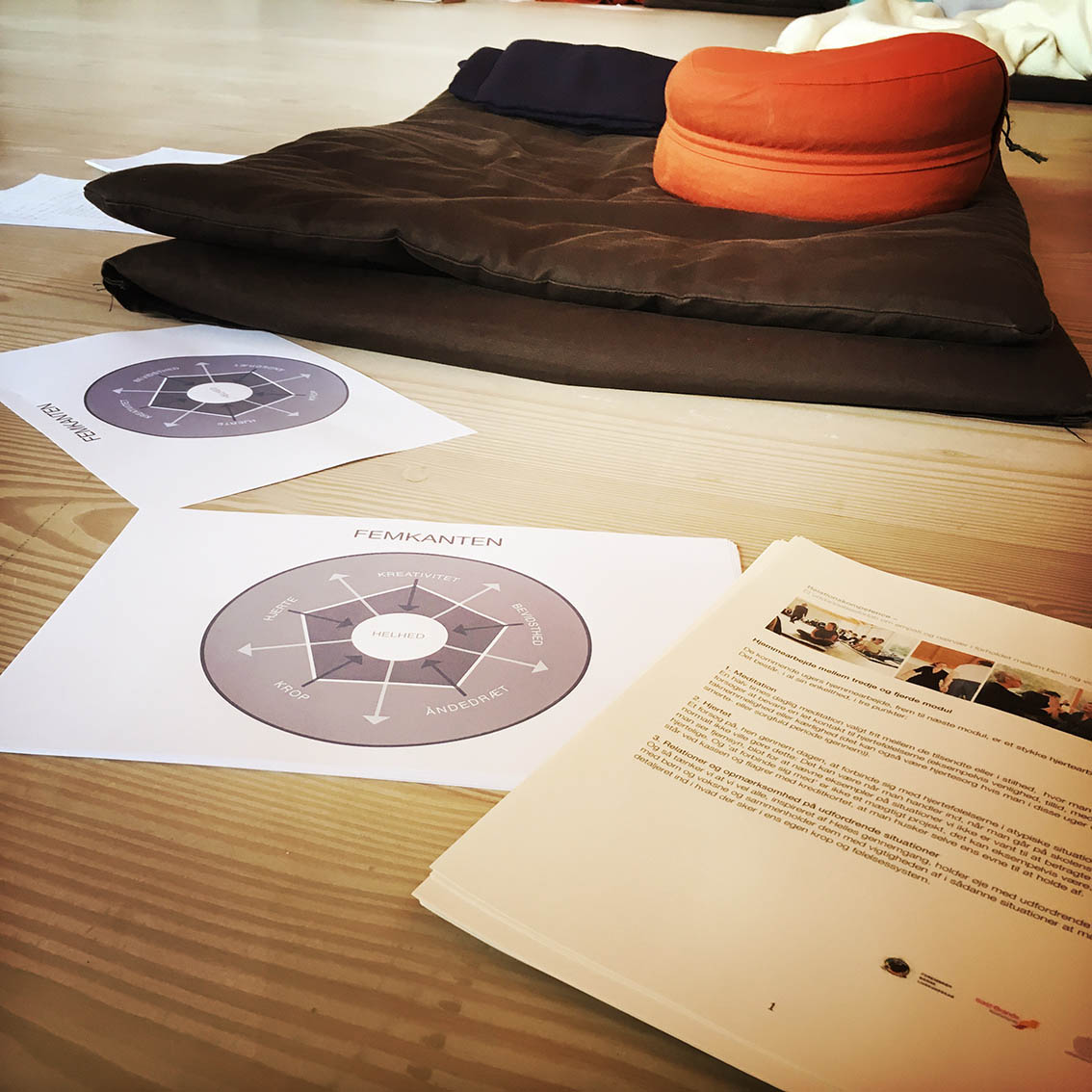
To support understanding, you can ask about your breathing, body, emotions and thoughts. Examine what affects you, what reactions are activated and why.
The attitude in this questioning, of oneself or of another, is appreciative, friendly, curious. It is not about finding faults and shortcomings, but about becoming wiser. When you are aware of what is going on inside yourself, with empathy for what may feel difficult or vulnerable to face, you can take a completely different responsibility in a situation and appear much more authentic.
In an educational context, this inner work can contribute to a better learning environment. It opens up the possibility of creating a different kind of trust and security, and invites students to dare to show greater openness and be more inquisitive. It creates better opportunities for students to develop inherent competencies such as presence, empathy, self-esteem, attention and concentration. It creates a fertile ground for students to dare to take responsibility for themselves and each other. Qualities that will benefit them and the communities that they will be a part of in various ways throughout the rest of their lives.
I really like this education. It gives me hope that we can develop. Create more authentic relationships – greater understanding and acceptance and responsiveness – for the joy of the life we will live together on this beautiful planet.
*) Presence and empathy in school, Helle Jensen, Academic Publishing House 2014.
 Hanne Linde is a visual artist. She is affiliated with the Danish Arts Foundation's artist-in-residence scheme and is also a trained mindfulness teacher. She has extensive experience teaching both children and adults in visual art, presence and creativity. She is part of the team behind the training in relationship skills for people who work professionally with children and young people.
See more about Hanne here: www.hannelinde.dk