

On the occasion of International Women's Day, I have some thoughts that I would like to share with you, dear reader.
I have thought about why it is exclusively a women's day of struggle. And I wonder if it is beneficial to call it a day of struggle. A struggle is most often associated with some form of anger and from the word 'struggle' it is not far to the word 'war'. So there is some form of enemy. But who is the enemy in this struggle?
It's not that I'm not grateful that they fought for women's suffrage over 100 years ago. Nor is it that there hasn't been, and still is, plenty to fight for in a world where one crisis arises before another is over.
Yet I wonder if we have reached a point where on this day we could address the feminine principle and perhaps go so far as to celebrate it – and celebrate it in harmony with the masculine principle. Perhaps in that way we could achieve some kind of greater balance between the two principles – instead of clinging to a battle between two biological sexes.
Today I will celebrate by practicing the ying-yang circulation and wish that together we – both women and men and all other forms of gender – can find a common dance between the feminine and masculine principles – in ourselves, in our relationships and in harmony with society and the entire globe.
Perhaps the time has come to take care of the feminine and protect the right of women, men and all beings to live equally and freely in a shared world.
Here you can hear the yin yang exercise instructed by Hanneli:

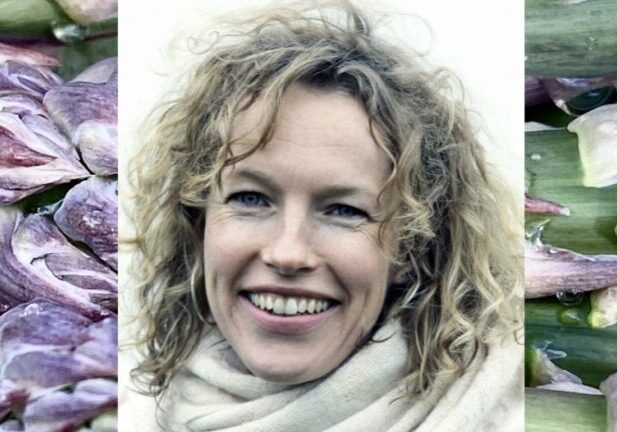
is a Master of Education in Educational Psychology with a specialization in mindfulness from Aarhus University and a psychotherapist MPF from the Vedfelt Institute. She works daily as a private practicing psychotherapist and has a special interest in dream work in the therapeutic process.
Britta has been part of the Kontemplation team since 2019 and is a teacher on the Kontemplation platform. She also contributes with existential conversations, retreat conversations and therapeutic courses. You can find her guides in the practice library and read her written contributions on the blog.
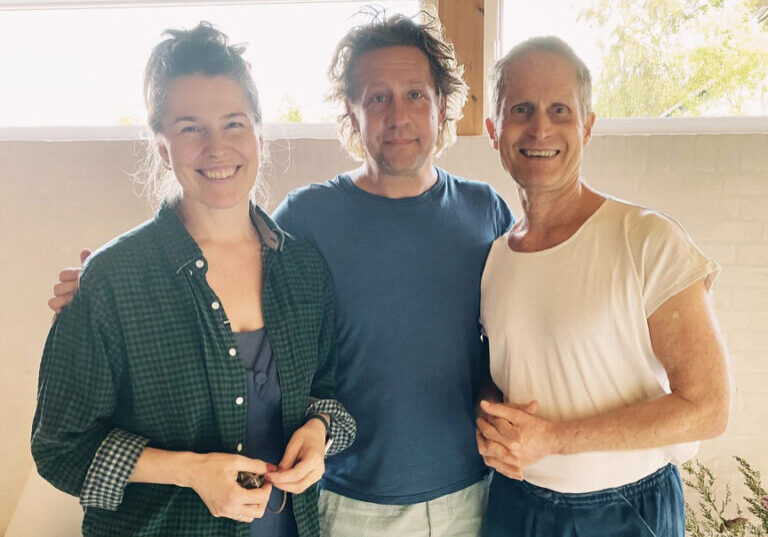
She attends an annual long-term retreat and receives practical guidance from Hanneli Ågotsdatter and Peter Høeg.